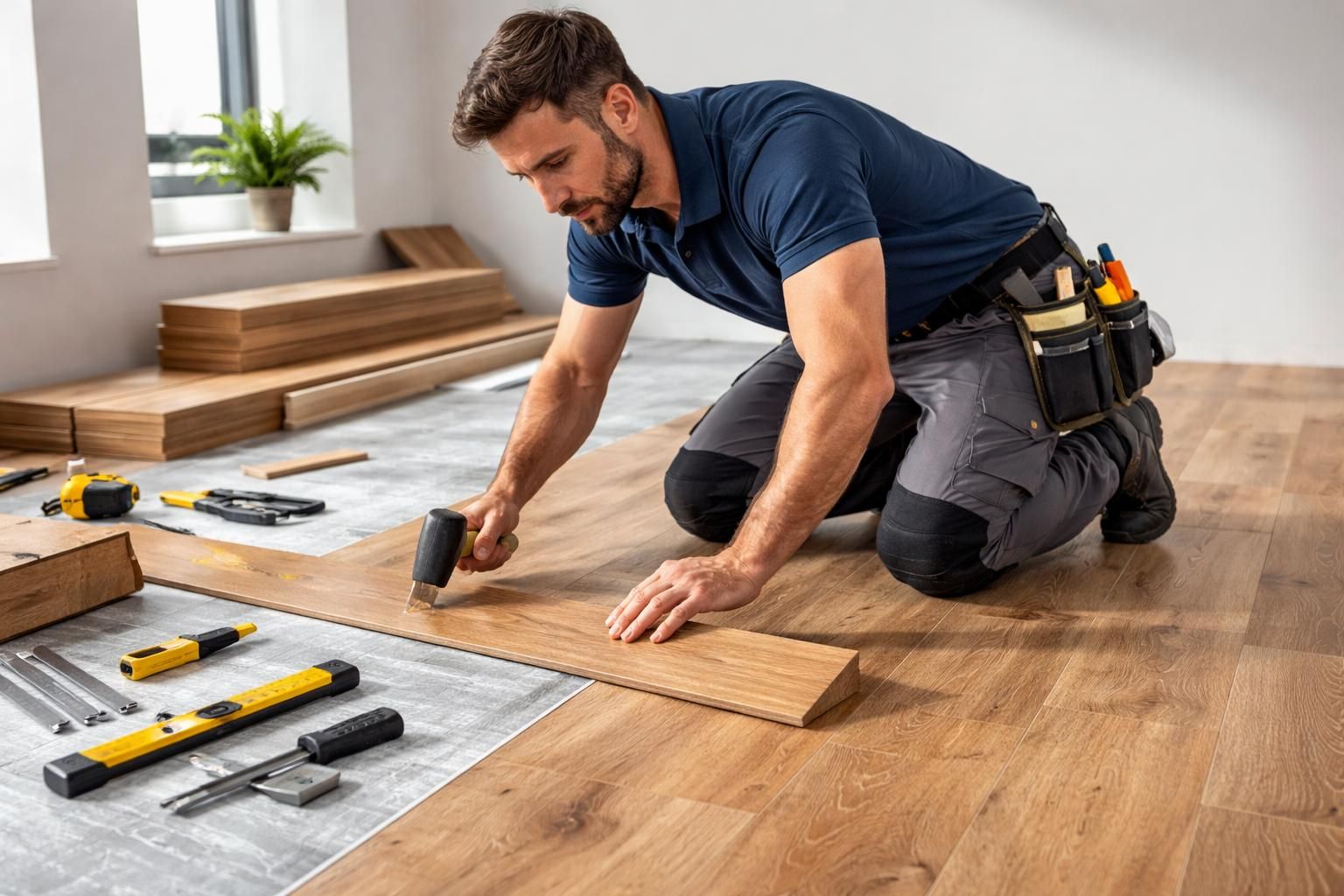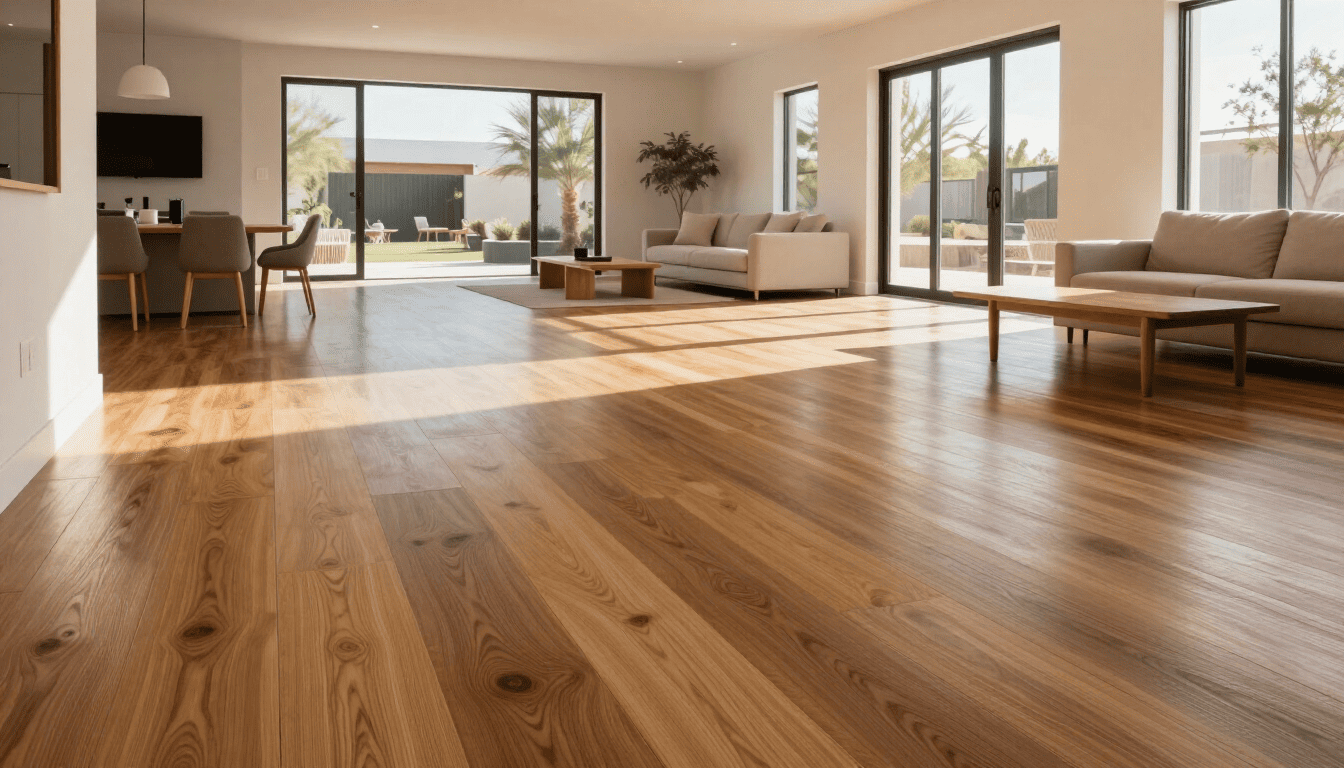
How Much Does Professional Flooring Installation Cost in 2026?
Flooring installation costscan feel confusing because two homes with the same square footage can receive very different estimates. The reason is simple: pricing is shaped by more than just the material you choose. Labor requirements, subfloor condition, removal of existing flooring, layout complexity, and even the season can change the total. In
Phoenix, AZ, climate adds another layer. Heat, strong sunlight, and occasional moisture events influence which materials perform best and what preparation is needed for long term durability. If you are planning a renovation in 2026, understanding both material pricing and installation labor helps you avoid surprises, compare quotes fairly, and choose a floor that fits your lifestyle and your budget. This guide breaks down realistic cost ranges for common flooring types, explains the factors that move prices up or down, and shows how professional installation protects your investment. Eagle Flooring West serves homeowners across Phoenix and surrounding areas with expert guidance, quality craftsmanship, and reliable timelines.
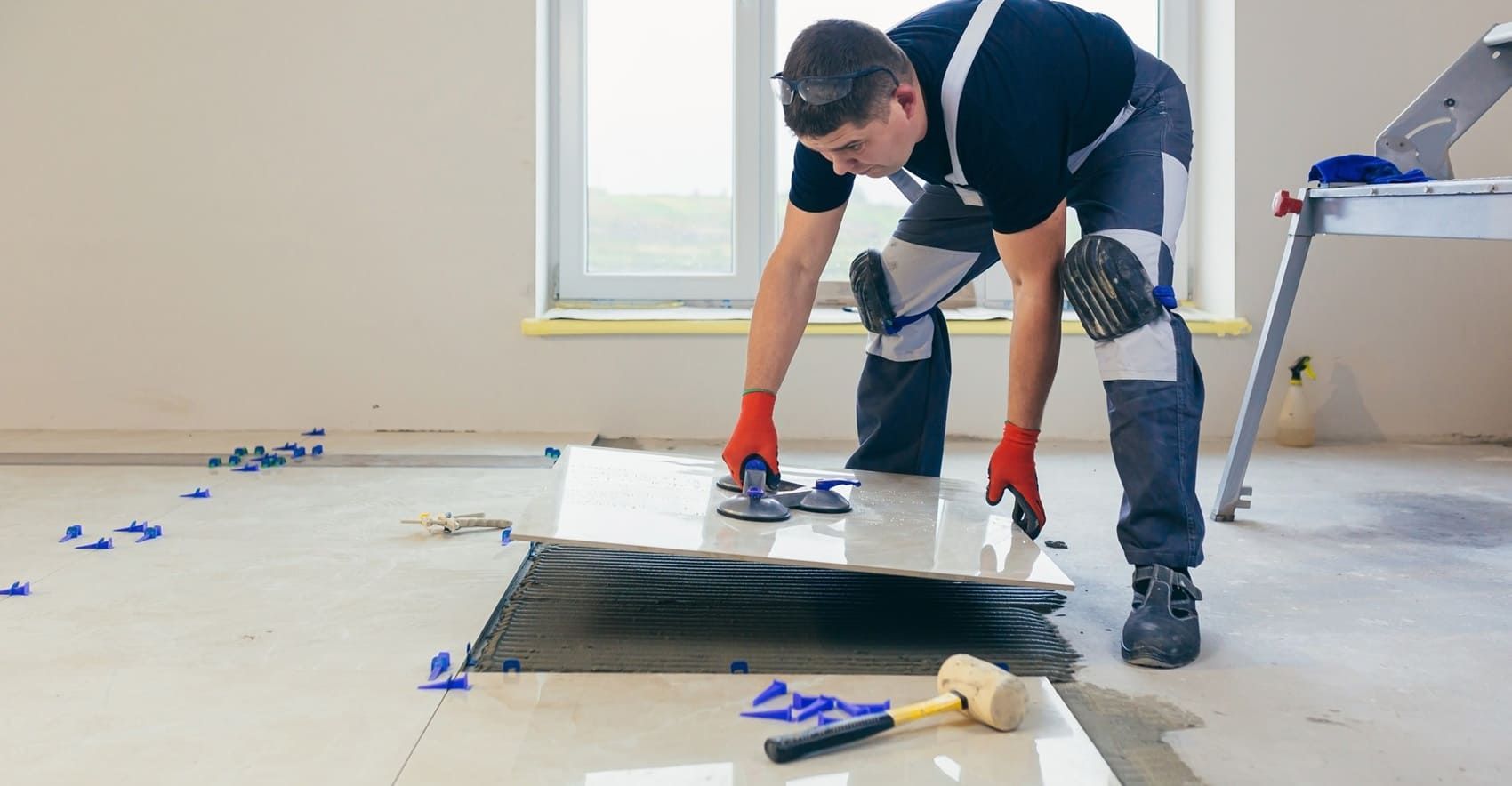
Table of Contents
1. Average Flooring Installation Costs in Phoenix in 2026
2. Cost Breakdown by Flooring Type (Tile, LVP, More)
3. What Affects Labor Pricing: Size, Subfloor, Layout
4. Removal and Preparation Costs to Plan For
5. Arizona Moisture and Heat Considerations
6. Timeline Expectations and What Installation Looks Like
7. Durability, Warranty, and Long Term Value of Pro Work
8. Quick Tables: Cost, Lifespan, Maintenance, ROI
1. Average Flooring Installation Costs in Phoenix in 2026
When homeowners search “flooring installation cost 2026,” they are usually trying to understand two numbers: the cost of materials and the cost of labor. In Phoenix, labor costs can vary by the complexity of the project and the type of flooring, while material costs vary by brand, quality tier, and performance features.
For planning purposes, most flooring projects fall into one of three budget ranges:
- Value focused projects: More basic laminate, entry level carpet, or value LVP in straightforward rooms with minimal prep.
- Mid range projects: Higher quality LVP, many carpet upgrades, and standard porcelain tile installs with typical prep.
- Premium projects: Custom tile patterns, natural stone, hardwood installs, complex layouts, and extensive subfloor work.
It is also important to consider whether your project includes stairs, multiple rooms, closets, and transitions to other surfaces. Those details change time on site, which changes labor costs.
Eagle Flooring West helps Phoenix homeowners compare options by focusing on total installed cost, not just material price. That approach creates a more accurate budget and a better long term result.
2. Cost Breakdown by Flooring Type (Tile, LVP, More)
Below are common flooring types and the main cost drivers for each. These ranges are meant as planning guidance for 2026. A precise quote requires measuring your space, evaluating subfloor condition, and confirming material selection.
Tile: Cost to Install Tile Flooring
Tile is popular in Arizona because it handles heat well, cleans easily, and fits a modern Southwest aesthetic. Tile pricing depends heavily on size, pattern, grout choice, and substrate preparation.
- Material costs: Ceramic and porcelain vary widely based on design and thickness. Natural stone tends to be higher.
- Labor costs: Labor increases with large format tiles, diagonal layouts, patterns, and detailed cuts.
- Prep costs: Subfloor leveling and crack isolation can be important in Arizona homes.
Luxury Vinyl Plank: Luxury Vinyl Plank Installation Cost
LVP has grown in popularity because it can offer a hardwood look with water resistance and easier maintenance. LVP pricing depends on thickness, wear layer, locking system quality, and whether glue down or floating installation is used.
- Material costs: Higher wear layers and better cores cost more.
- Labor costs: Floating installs can be faster, but layout, trim work, and transitions add time.
Hardwood: Hardwood Floor Installation Price
Hardwood can deliver a premium look and long term value, but it requires careful planning in Arizona. Wood reacts to temperature and humidity changes, so acclimation and correct installation methods matter.
- Material costs: Species, plank width, and grade drive price.
- Labor costs: Nail down and glue down methods, plus baseboard and trim work, affect labor.
Laminate
Laminate can be a cost effective option that still looks modern. Pricing depends on thickness, water resistance features, and underlayment requirements.
Carpet
Carpet cost is shaped by fiber type, pad quality, room shape, and installation details such as stairs. Carpet can still be a great choice for bedrooms and quieter spaces.
3. What Affects Labor Pricing: Size, Subfloor, Layout
Labor is often the part of the estimate that surprises homeowners. But labor pricing makes sense when you understand what the crew has to do to deliver a professional result.
Major labor drivers include:
- Square footage: Larger projects can have lower cost per square foot, but total cost rises.
- Room count and transitions: More doorways, closets, and transitions increase time.
- Stairs: Stairs require more cutting and fastening.
- Subfloor condition: Leveling, squeak fixes, and moisture barriers add labor.
- Layout complexity: Patterns, diagonal layouts, and custom borders increase installation time.
For
flooring installation Phoenix AZ projects, Eagle Flooring West focuses on proper prep because that is the foundation of a floor that looks right and performs well.

4. Removal and Preparation Costs to Plan For
Removal and preparation can be a significant part of total cost. Many estimates include basic tear out, but the details matter. Removing tile is different than removing carpet, and removing glued down flooring can be more time intensive.
Common preparation items include:
- Demo and haul away of existing flooring
- Baseboard removal and reinstall or replacement
- Subfloor repairs and patching
- Leveling compound for uneven areas
- Underlayment or moisture barrier installation
If your home has older floors, it is smart to plan a prep budget. Prep is not glamorous, but it is one of the biggest reasons professionally installed floors look better and last longer.
5. Arizona Moisture and Heat Considerations
Phoenix is known for heat, but moisture still matters. Monsoon season, plumbing leaks, slab moisture, and humidified interiors can affect flooring performance. Material selection and installation methods should reflect Arizona conditions.
Key considerations include:
- Concrete slabs: Many Phoenix homes are slab on grade. Moisture testing and proper underlayment help protect flooring.
- Heat and sun exposure: Large windows can create hot spots. Some materials expand and contract more.
- Tile advantages: Tile often performs well in heat and is easy to maintain.
- LVP and laminate selection: Choose products rated for temperature ranges and follow manufacturer guidelines.
Eagle Flooring West helps homeowners select floors that fit Arizona life, including pets, pool traffic, and indoor outdoor living.
6. Timeline Expectations and What Installation Looks Like
Homeowners also want to know what daily life looks like during a flooring project. Timelines depend on the material and the prep work. A single room can be quick. A full home can take longer, especially if the project includes tile, leveling, or custom layouts.
Typical steps include:
- Measurement and material selection
- Scheduling and delivery
- Demo and prep
- Installation
- Trim, transitions, and cleanup
Professional crews minimize disruption by sequencing work efficiently and communicating expectations. Eagle Flooring West is known for reliable timelines and clear updates during installation.
7. Durability, Warranty, and Long Term Value of Pro Work
Professional installation is not only about appearance. It affects durability, warranty, and long term value. Many flooring manufacturers require installation methods that meet specific standards. If a floor is installed incorrectly, warranty support may be limited.
Professional installation supports long term value by:
- Ensuring correct subfloor prep and moisture protection
- Using proper expansion gaps and transitions
- Reducing the chance of squeaks, hollow spots, and uneven joints
- Protecting resale value with a clean finished look
When comparing quotes, ask what is included. The lowest price is not always the best value. A correctly installed floor that lasts longer is often the smarter investment.
8. Quick Tables: Cost, Lifespan, Maintenance, ROI
The table below provides typical planning ranges. Actual costs vary by material choice and project complexity.
| Flooring Type | Installed Cost Range (Per Sq Ft) | Typical Lifespan | Maintenance Level | Best Fit in Phoenix |
|---|---|---|---|---|
| Porcelain Tile | Medium to High | 20+ years | Low | Great for heat, kitchens, living areas |
| Luxury Vinyl Plank | Low to Medium | 10 to 20 years | Low | Great for families and pets |
| Hardwood | High | 20+ years with care | Medium | Best for controlled interiors |
| Laminate | Low to Medium | 8 to 15 years | Low | Good for budget upgrades |
| Carpet | Low to Medium | 5 to 12 years | Medium | Good for bedrooms |
9. FAQ: Flooring Installation Phoenix AZ Questions
How long does installation take?
Timeline depends on square footage, prep, and material. A single room can be fast, while a full home can take several days or more.
Is subfloor repair included in pricing?
Sometimes basic prep is included, but repairs and leveling are often separate. Ask for a clear scope of work.
What is the best flooring for Arizona heat?
Tile is a common favorite. LVP can also perform well when properly selected and installed. The best choice depends on lifestyle and location in the home.
Should I choose tile or LVP in Phoenix?
Tile offers long lifespan and heat comfort. LVP offers comfort underfoot and water resistance. Both can be great with professional installation.
Do you offer financing options?
Financing availability depends on the provider and current programs. Ask Eagle Flooring West about options during your estimate.
What warranty coverage should I expect?
Many products include manufacturer warranties. Installation warranties vary by installer. Confirm what coverage applies to your project.
How do I prepare my home before installation?
Clear small items, plan for pets, and discuss furniture moving with your installer. Your team may offer guidance based on the project scope.
Is removal of old flooring included?
Some quotes include removal, others list it separately. Make sure the estimate specifies demo and disposal.
Will new flooring increase home value?
In many cases yes, especially when materials and installation quality match the home’s price point and buyer expectations.
How do I get an accurate quote?
An in home measurement and subfloor evaluation is the best way. Eagle Flooring West provides free estimates tailored to your home
10. Conclusion and Free Estimate Next Steps
In 2026,
professional flooring installation costs in Phoenix vary based on material choice, labor complexity, subfloor condition, and prep requirements. The best budgeting approach is to compare total installed cost across tile,
luxury vinyl plank, hardwood, laminate, and carpet, then consider long term durability, maintenance, and comfort in Arizona conditions. Professional installation supports warranty protection and helps your floor perform as intended for years.
If you are planning a flooring upgrade and want clear pricing guidance, contact Eagle Flooring West in Phoenix, AZ to get a free estimate for expert flooring installation tailored to your home, budget, and lifestyle.