Can You Install New Flooring Over Existing Tile Floors?
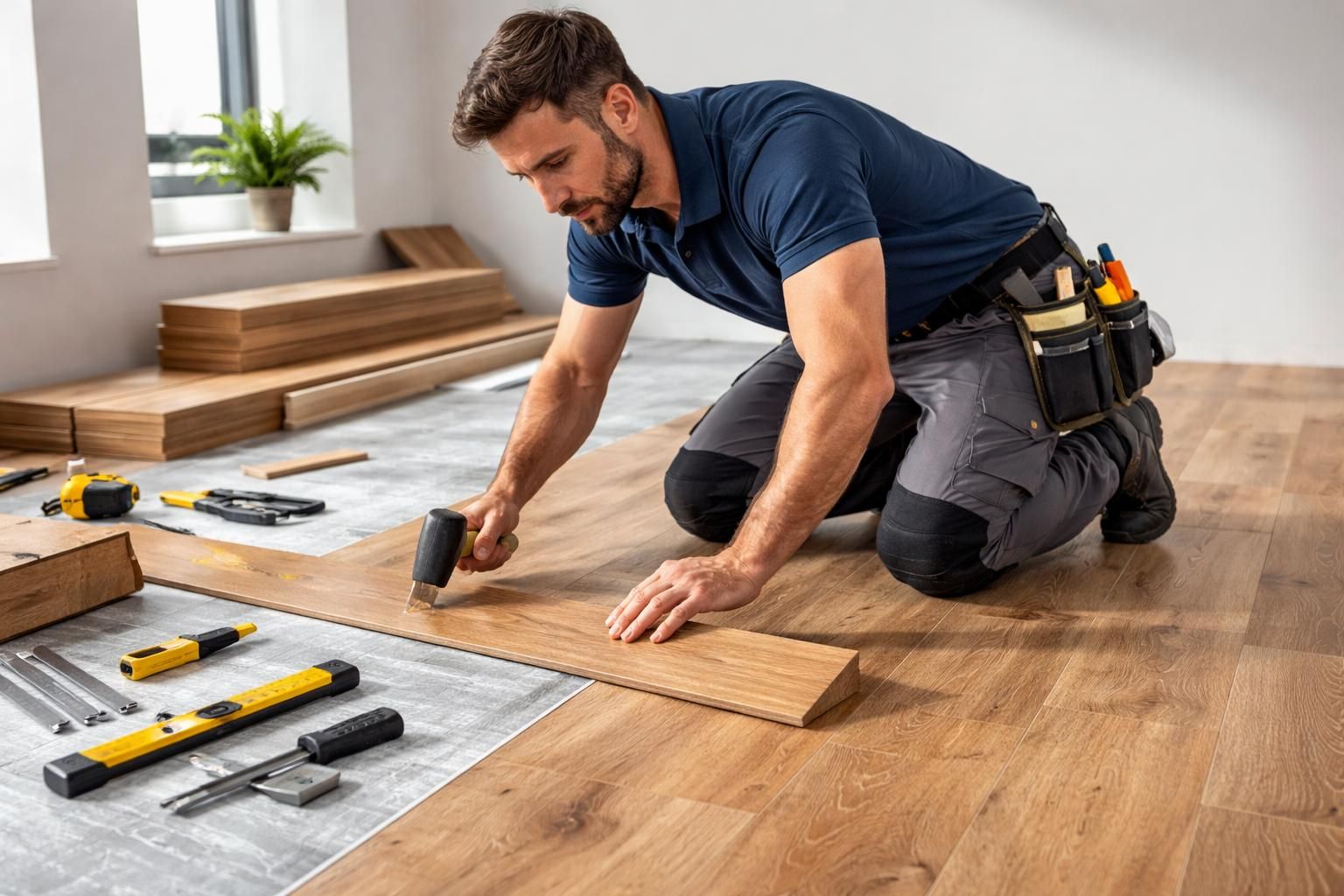
Can you install new flooring over existing tile floors without tearing everything out first? For many Phoenix homeowners, that question comes up the moment a dated tile floor starts to feel like the only thing standing between them and a refreshed home. Tile removal can be loud, dusty, and time consuming. It can also uncover surprises like cracked underlayment, uneven slabs, or old adhesive that adds cost and delays. The good news is that in many cases, installing new flooring over tile can be a faster, cleaner, and more cost effective approach. The key is doing it correctly. The existing tile has to be stable, the surface needs to be prepared and leveled, and the right overlay flooring must be chosen for the room and lifestyle. When material selection and prep are handled properly, a tile overlay installation can deliver a smooth finish, strong performance, and long term durability without the mess of demolition.
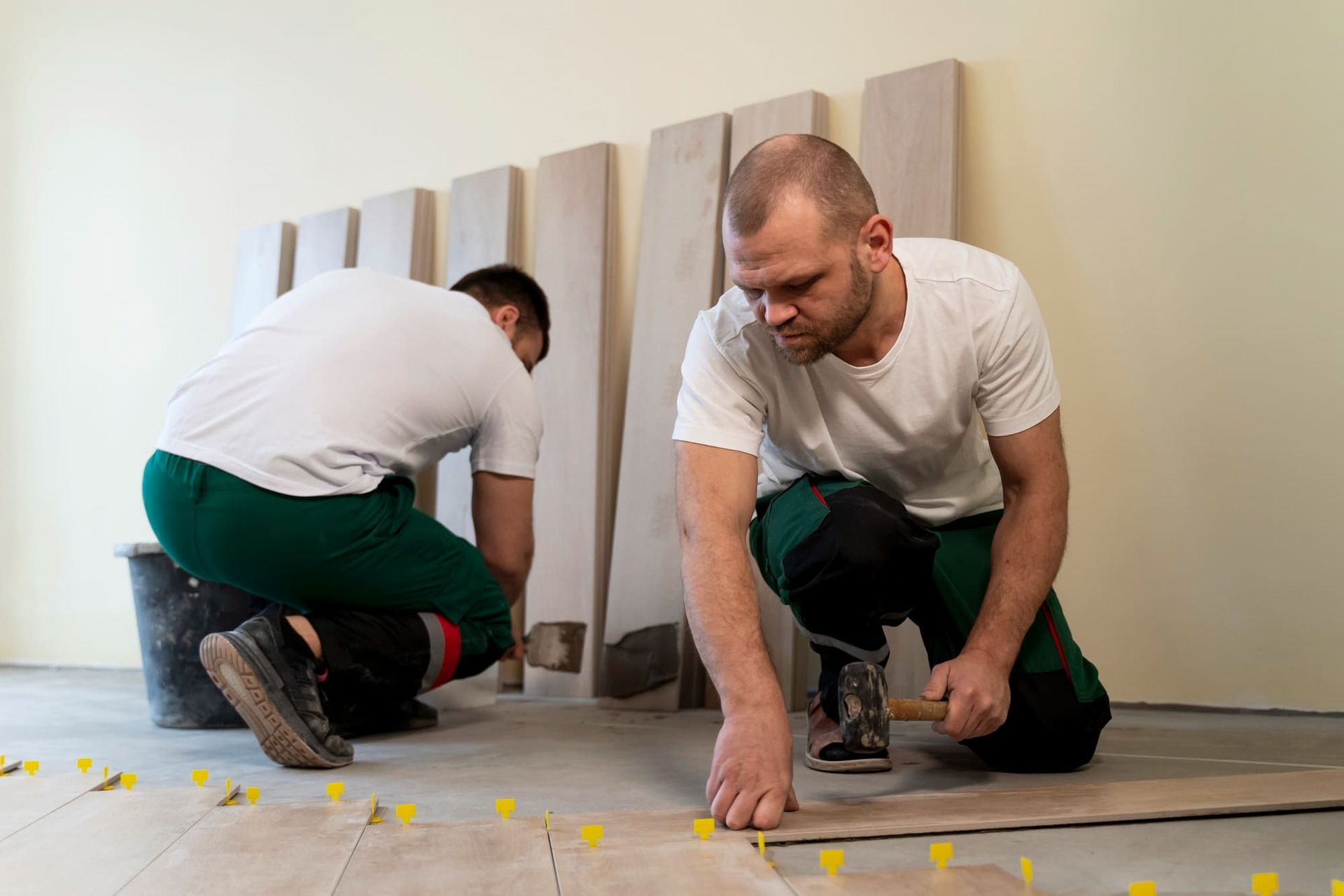
Table of Contents
- When you can install flooring over tile
- Best flooring types for tile overlay in Phoenix
- Surface preparation and leveling requirements
- Comparison table of tile floor overlay options
- When tile removal is necessary
- Pros and cons of installing over tile
- Cost to install flooring over tile in Phoenix AZ
- Why professional flooring installation in Phoenix matters
- FAQ
- Conclusion and next steps
When you can install flooring over tile
Installing new flooring over tile is possible when the existing tile is acting like a solid, stable base. In practical terms, that means the tile is well bonded, mostly flat, and not hiding structural movement. If you are researching install flooring over tile Phoenix AZ , start with these conditions, since they are the same checks a professional installer will perform.
1) The tile must be firmly attached
Walk the floor and listen. Hollow sounding tiles, loose tiles, or tiles that rock underfoot are red flags. Overlay flooring depends on the tile staying put. If the tile is unstable, the new surface can shift, squeak, or crack over time.
2) The floor must be reasonably flat
Most overlay products do not require the tile to be perfectly level, but they do require a flat plane. Lippage is the height difference between neighboring tiles. High lippage can telegraph through floating floors and can create stress points that lead to joint separation. In many homes, this can be corrected with patching and a skim coat, but it needs to be evaluated room by room.
3) Grout lines cannot be too deep for the chosen flooring
Homeowners often ask, can you put vinyl over tile without the grout lines showing. The answer depends on grout depth, plank thickness, and whether a leveling skim coat is used. Some rigid core luxury vinyl plank products are more forgiving, while thinner materials may require grout line filling.
4) Moisture conditions must be appropriate
Phoenix homes frequently have slab on grade foundations. Concrete slabs can transmit moisture vapor. Even when installing over tile, moisture testing and correct underlayment selection can matter for warranty and long term performance, especially in kitchens, entries, and laundry areas.
5) Door clearances and height transitions must work
Installing over tile increases finished floor height. That can affect doors, appliances, and transitions to carpet or other rooms. An installer can plan reducers, T moldings, and door adjustments so the final result looks intentional and functions smoothly.
Best flooring types for tile overlay in Phoenix
When homeowners search for tile floor overlay options , they usually want a clear shortlist of products that work well without tile removal. The best choice depends on room use, moisture exposure, budget, and how smooth the existing tile surface is. Below are the most common overlay solutions Eagle Flooring West installs for Phoenix area homes.
Luxury vinyl plank (LVP) and rigid core vinyl
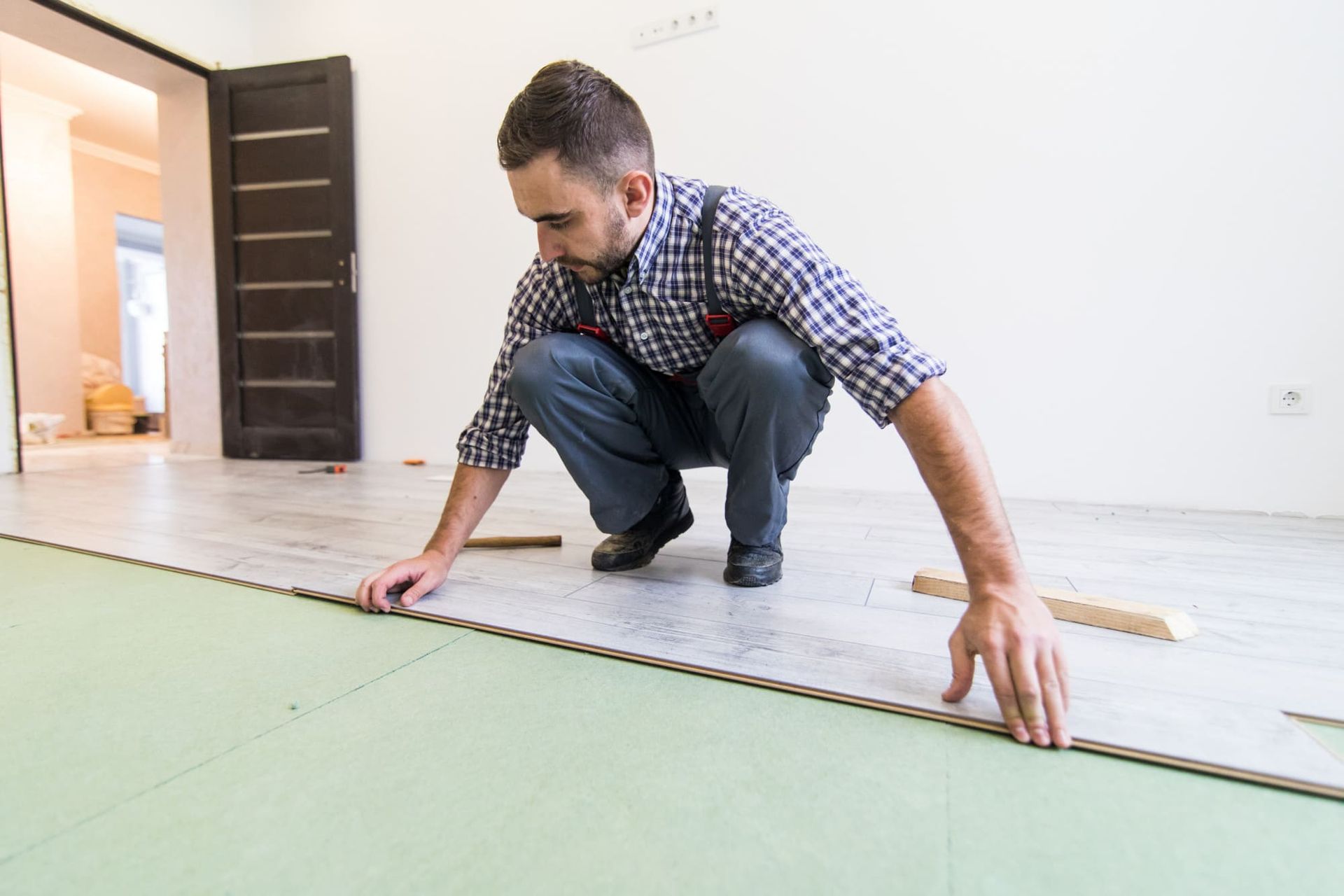
LVP is one of the most popular answers to can you put vinyl over tile because it is durable, water resistant, and available in many styles that fit Arizona homes. Rigid core constructions can help bridge minor grout lines, especially when paired with a quality underlayment or when grout lines are skim coated. LVP works well for kitchens, hallways, living areas, and many bedrooms.
For Phoenix homeowners with pets, rental properties, or high traffic households, LVP often provides an excellent balance of toughness and comfort. It also tends to handle temperature swings better than some wood based products, which matters near exterior doors and sun exposed rooms.
Laminate can be installed over tile in the right conditions, but it is less forgiving than many homeowners expect. A flat subfloor is essential. Deep grout lines and tile lippage typically need filling and leveling. Moisture protection is also important. If your tile is in a kitchen or laundry area, a water resistant laminate with the correct underlayment may be appropriate, but it should be selected carefully.
When done correctly, laminate offers a crisp look and strong scratch resistance at a competitive price point. The goal is to prevent flexing at joints, which can lead to premature wear or separation.
Engineered wood
Engineered wood is a strong option for homeowners who want real wood character. Unlike solid hardwood, engineered wood is built in layers that improve stability. It can be floated over tile in some layouts, or installed with approved adhesives depending on the product and site conditions. In Phoenix, engineered wood is often chosen for living spaces and bedrooms where a warmer look is desired.
Because wood products are more sensitive to moisture and movement, surface prep and acclimation are critical. If you want engineered wood over tile, a professional evaluation helps determine whether a floating system or glue down approach is best for your specific tile and slab conditions.
Carpet (in select areas)
Carpet can sometimes be installed over tile by adding tack strips and addressing transitions, but it is typically used in bedrooms and low moisture areas. It is not a common solution for whole home tile overlays. If the goal is comfort and sound reduction, carpet can be a targeted solution without removing tile, but it still requires planning for height changes.
What about solid hardwood or traditional glue down products?
Solid hardwood is usually not the first recommendation over tile in Phoenix due to expansion and contraction risk, and because the tile surface and grout lines complicate fastener or adhesive requirements. Some glue down products can work, but only when the tile is properly scarified or primed and the manufacturer approves the installation method. This is where experienced flooring installation Phoenix professionals can prevent costly mistakes.
Surface preparation and leveling requirements
The difference between a tile overlay that looks great for years and one that fails early is preparation. Even the best flooring can telegraph tile edges, show grout lines, or develop movement if prep is skipped. Here is the prep process Eagle Flooring West typically reviews for install flooring over tile Phoenix AZ projects.
Step by step preparation checklist
- Inspection: Identify cracked or loose tiles, hollow sounds, moisture concerns, and high lippage areas.
- Repairs: Rebond or replace unstable tiles, and address cracks that indicate movement.
- Deep cleaning: Remove wax, sealers, grease, and residues so patch and leveling materials bond properly.
- Grout line filling: Use patch or skim coat products to reduce grout valleys when needed for the chosen floor.
- Leveling and flattening: Grind high points, fill low areas, and confirm flatness using straightedges.
- Underlayment selection: Choose the correct underlayment for acoustics, moisture control, and manufacturer requirements.
- Transition planning: Confirm doorway clearances and plan reducers and thresholds.
Subfloor reality in Phoenix homes
Many Phoenix area homes are built on concrete slabs. A tile floor may already include a thinset layer and may have minor slope for drainage at entries or patios. Overlay installations must respect those conditions. The goal is a flat surface for the new flooring, not necessarily a perfectly level floor. A professional installer will focus on flatness tolerances listed by the flooring manufacturer.
Long term performance expectations
When prep is correct, LVP and many laminates can perform very well over tile, even in busy homes. Engineered wood can also perform well when acclimated and installed using approved methods. The common failure points are predictable and avoidable: movement from loose tile, joint stress from high lippage, and cosmetic telegraphing from untreated grout lines. Good prep addresses all three.
Comparison table of tile floor overlay options
Use the table below as a quick reference for the most common overlay choices. Exact difficulty, durability, and pricing depend on the specific product line, room layout, and how much prep is required.
| Flooring option over tile | Installation difficulty | Durability | Typical cost range in Phoenix | Surface preparation needs | Best use cases |
|---|---|---|---|---|---|
| Rigid core LVP | Moderate | High | $4 to $9 per sq ft installed | Clean surface, address high lippage, fill deep grout as needed | Kitchens, living areas, rentals, pet friendly homes |
| Traditional LVP (thinner) | Moderate to high | Medium to high | $4 to $8 per sq ft installed | More likely to need grout filling and flatter tile surface | Bedrooms, offices, lower texture tile floors |
| Laminate | Moderate | Medium to high | $4 to $8 per sq ft installed | Flatness is critical, grout filling often required, moisture protection important | Living areas and bedrooms when moisture risk is low |
| Engineered wood (floating) | High | Medium to high | $7 to $14 per sq ft installed | Flatness, acclimation, approved underlayment, careful transitions | Living rooms and bedrooms for real wood look |
| Engineered wood (glue down when approved) | High | High | $8 to $16 per sq ft installed | May require surface abrasion or primer, strict adhesive requirements | Premium installations where manufacturer allows tile substratePremium installations where manufacturer allows tile substrate |
When tile removal is necessary
Even though many homeowners can avoid demolition, there are times when removing tile is the smartest long term choice. If you want the shortest, most accurate answer for voice search, it is this: remove the tile when it is loose, badly uneven, moisture damaged, or when height constraints make an overlay impractical.
Tile removal is usually necessary when:
- The tile is loose or hollow across large areas. Overlaying would lock in a problem that will only grow.
- There is severe lippage or unevenness. Excessive height differences can compromise floating floor joints.
- Cracks indicate movement. Repeated cracking can signal subfloor issues that must be corrected.
- Moisture problems exist. If moisture is trapped or mold is present, covering it is not a fix.
- Doors, appliances, or stairs have tight clearances. Extra height can create functional issues.
- You need a fully flush transition. Some remodels require matching heights across multiple rooms.
If you are unsure, a flooring professional can often provide a clear recommendation after a site visit. Eagle Flooring West regularly helps homeowners compare the true costs of tile removal versus a properly prepared overlay so they can choose the option that makes sense for their home.
Pros and cons of installing over tile
Homeowners considering tile floor overlay options usually want a realistic view of benefits and tradeoffs. Here is a clear breakdown.
Pros
- Less mess and faster timeline: Avoiding demolition reduces dust, hauling, and noise.
- Potential cost savings: You may reduce labor and disposal costs versus tile removal.
- Reduced risk of damaging the slab or underlayment: Demolition can sometimes chip concrete or expose imperfections.
- Comfort and style upgrade: Many overlay floors feel warmer and more comfortable underfoot.
Cons
- Finished floor height increases: This can affect doors, appliances, and thresholds.
- Prep is not optional: Skipping leveling or grout line filling can cause visible defects.
- Some tiles are not good substrates: Loose tile or heavy texture can force removal.
- Transitions need planning: Adjacent rooms may need reducers or new trim work.
Ask yourself: Do you want the fastest upgrade with minimal disruption, or do you need to solve deeper problems like movement or height constraints? That answer often determines whether overlay is the best route.
Cost to install flooring over tile in Phoenix AZ
Pricing is one of the most searched topics for homeowners comparing renovation options. The cost to install flooring over tile depends on the new material, the condition of the tile, and how much leveling and prep is required. In Phoenix, overlay installations can sometimes be more affordable than full tile removal, but the savings vary by project.
What impacts overlay pricing the most
- Tile condition and flatness: More leveling work increases labor and materials.
- Grout line depth: Deep grout lines may require skim coating across the room.
- Square footage and layout: Small rooms with many cuts can cost more per square foot.
- Transitions and trim: Reducers, baseboards, and door adjustments add time.
- Product selection: Rigid core LVP, laminate, and engineered wood have different costs.
Typical Phoenix ranges to help set expectations
As a general planning guideline, many homeowners in the Phoenix area see installed overlay projects fall within these broad ranges:
- LVP installed over tile: often $4 to $9 per sq ft installed
- Laminate installed over tile: often $4 to $8 per sq ft installed
- Engineered wood installed over tile: often $7 to $16 per sq ft installed
These ranges can move up or down depending on product quality and prep needs. The best way to get an accurate number is an in home evaluation that confirms tile condition, moisture, and transition requirements.
Why professional flooring installation in Phoenix matters
Overlay installs look simple online, but long term performance depends on details that are easy to miss. Professional flooring installation Phoenix teams can evaluate the tile substrate, test flatness, identify movement issues, and select products that are compatible with the existing surface and your lifestyle.
What professional installers help you avoid
- Telegraphing and visible grout lines from insufficient leveling.
- Joint failure caused by high lippage under floating floors.
- Moisture related problems from incorrect underlayment or missing vapor control.
- Awkward transitions that look unfinished or create trip hazards.
- Warranty issues caused by installation methods that do not meet manufacturer requirements.
Eagle Flooring West helps homeowners across
Phoenix, Tempe, Mesa, Chandler, Scottsdale, and surrounding areas choose the right materials and prep strategy for their home. If you are debating whether to remove tile or cover it, their team can explain the options clearly and recommend a plan that fits your budget and timeline.
FAQ: Installing new flooring over tile
Can you install new flooring over existing tile floors?
Yes, in many cases, as long as the tile is stable, mostly flat, and properly prepared for the new material.
Can you put vinyl over tile?
Yes. LVP and rigid core vinyl are common choices in Phoenix because they are durable and often work well over tile with the right prep.
Will grout lines show through luxury vinyl plank?
They can if the grout is deep and the product is thin. Filling grout lines or skim coating often prevents telegraphing.
Does the tile have to be perfectly level?
No. It needs to be flat within the flooring manufacturer tolerance so the new floor does not flex or separate at joints.
Is leveling required before installing flooring over tile?
Sometimes. Leveling or patching is common when tile lippage is noticeable or grout lines are deep.
How long does it take to install flooring over tile?
Many projects can be completed faster than demolition based installs. Timeline depends on prep, room size, and the flooring type.
Is installing over tile cheaper than removing tile?
Often, but not always. You may save on demolition and disposal, but prep and leveling can add cost.
What is the biggest risk of installing flooring over tile?
Covering loose tile or skipping prep. Movement and unevenness below can cause visible defects and premature failure.
Can laminate flooring be installed over tile?
Yes, if the tile is flat and moisture protection is addressed. Grout line filling is frequently needed.
Can engineered wood be installed over tile?
Sometimes. Product requirements vary. A professional can confirm if floating or glue down methods are approved for your tile.
Do you need an underlayment over tile?
Often yes. Underlayment can help with sound, minor imperfections, and moisture management depending on the product.
What if some tiles are cracked but not loose?
Cracks may be cosmetic or may indicate movement. An inspection helps determine if repair or removal is required.
Can you install flooring over tile in kitchens and bathrooms?
Yes in many cases, especially with water resistant LVP. Bathrooms may require extra attention to moisture and transitions.
How do you handle transitions to carpet or other rooms?
Installers use reducers, T moldings, and thresholds to create safe, clean transitions and manage height changes.
Who should I call for flooring installation in Phoenix over existing tile?
Eagle Flooring West can evaluate your tile, recommend the best overlay option, and provide professional installation with a clear estimate.
Conclusion: Is installing new flooring over tile right for your home?
Installing new flooring over existing tile can be a smart upgrade for Phoenix homeowners who want to avoid demolition, reduce disruption, and control costs. It is usually a great option when the tile is stable, the surface can be properly prepared, and the new material is chosen to match the room and lifestyle. Rigid core LVP is often the most practical solution, but laminate and engineered wood can also work when conditions are right. If the tile is loose, badly uneven, or height constraints are tight, tile removal may still be the best long term decision.
If you want a clear recommendation and accurate pricing,
contact
Eagle Flooring West for a
free estimate. Their team specializes in
flooring installation Phoenix projects, including expert tile overlay installations and full replacements, and they can help you choose a durable solution that fits your home and budget.